Character design is the art and science of creating compelling visual representations that tell stories through form, color, silhouette, and personality. Whether you're designing characters for animation, video games, comics, or film, the principles remain consistent: every design choice communicates something about who the character is, what they want, and their role in the narrative.
The most memorable characters aren't created by accident. They emerge from a deliberate process that combines research, psychology, visual communication, and iterative refinement. From the initial spark of an idea through countless sketches and revisions to the final polished design, professional character designers follow frameworks that ensure their creations resonate emotionally with audiences while remaining visually distinct and functional across multiple mediums.
This comprehensive guide walks you through every aspect of professional character design, from foundational principles like shape language and color psychology to practical workflows for bringing concepts to life. You'll learn how to develop characters that instantly communicate their personality, role, and story through visual design alone—before they ever speak or move. Whether you're a beginner exploring this creative discipline or an experienced artist looking to refine your process, this guide provides actionable techniques used by professional studios and leading character designers worldwide.
 Shape Language Fundamentals: Using Geometry to Convey Character Personality
What Is Character Design?
Character design is the visual development of characters through deliberate artistic choices that communicate personality, role, background, and story function. It goes far beyond aesthetics; it's a form of visual storytelling where every line, shape, color, and detail serves the narrative and helps audiences instantly understand who the character is and what they represent.
Core functions of character design include:
Visual Communication – Conveying personality traits, emotions, and roles through silhouette, shape, color, and form before the character speaks or acts.
Story Support – Ensuring character designs align with and enhance the narrative, setting, and thematic elements of the project.
Audience Connection – Creating designs that resonate emotionally with the target audience and feel authentic to the story world.
Functional Consistency – Designing characters that work across multiple contexts: animation frames, game perspectives, merchandise, and various lighting conditions.
Instant Recognition – Developing distinctive silhouettes and visual signatures that make characters immediately recognizable and memorable.
Character design differs from general illustration because it requires deep consideration of function alongside beauty. A character might look stunning in a posed illustration but fail to work as an animated character or game asset if movement and multiple angles weren't considered during design.
Understanding Character Design Principles
The Power of Silhouette
One of the most critical tests of effective character design is the silhouette test: when your character is reduced to a solid black shape against white, is it still recognizable and does it still communicate the character's essence?
Professional animators and game studios use this test because it forces designers to focus on the most fundamental aspect of design: distinctive form. If your character's silhouette is too generic or similar to other characters in your cast, audiences won't instantly recognize them, especially during rapid scenes or from a distance.
Why silhouette matters:
-
Players recognize characters at a distance in games
-
Animated characters remain clear even during fast-paced action
-
Character identity persists even in low-light scenes or from far away
-
Merchandising and icons work even when simplified
-
Viewing experience improves for audiences with visual impairments
Strong silhouettes emerge from deliberate shape choices, unique proportions, distinctive accessories, and confident use of positive and negative space. Harry Potter's round glasses and lightning bolt scar, Mickey Mouse's distinctive ears, and Spider-Man's web pattern all work because their silhouettes are instantly recognizable even in darkness.
Shape Language: The Geometry of Personality
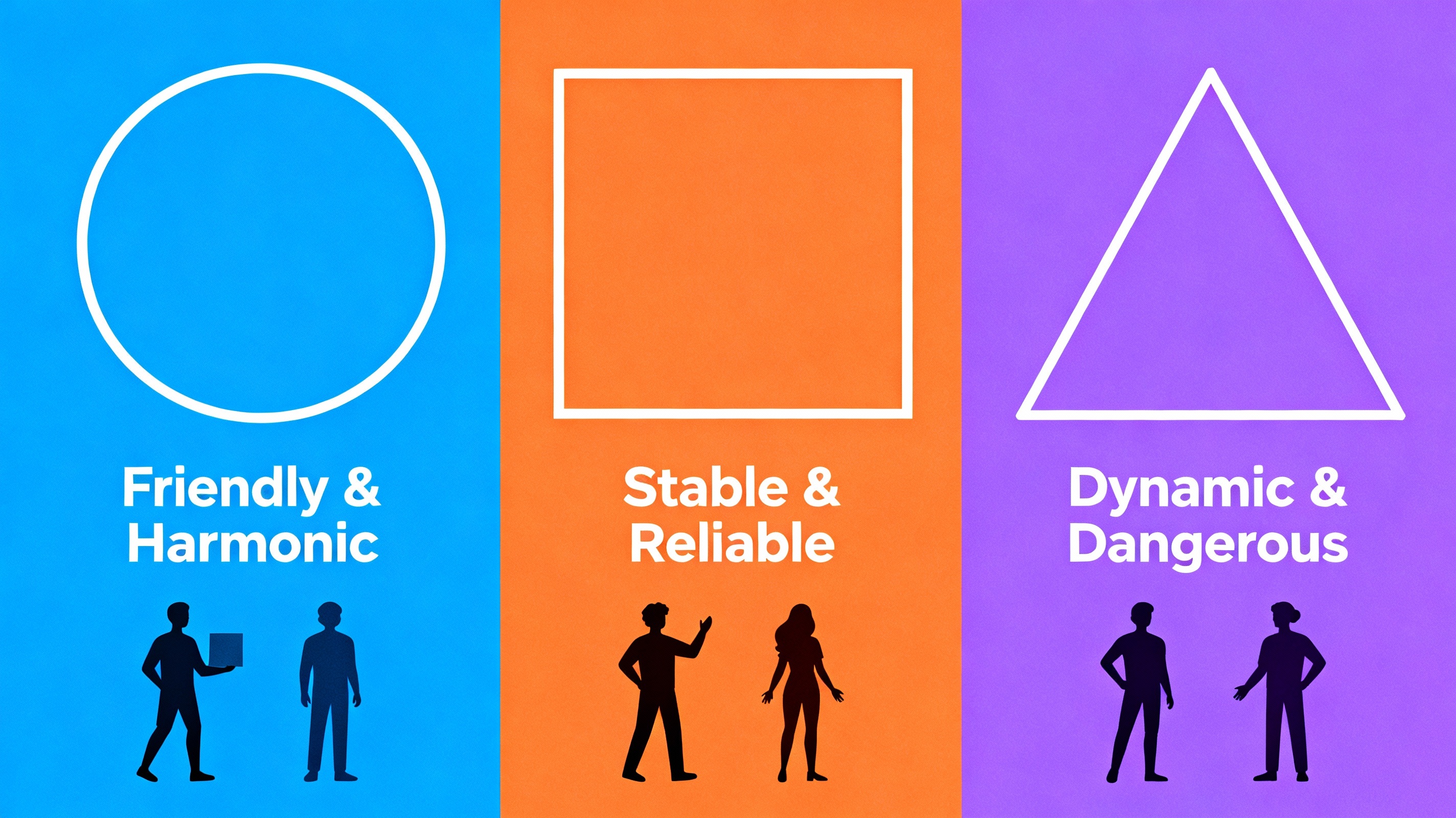
Shape language is a system of visual communication where geometric forms—circles, squares, triangles, and their combinations—convey specific psychological and emotional messages.
Understanding basic shape meanings:
Circles and Curves
Circular and rounded shapes communicate softness, friendliness, warmth, and harmlessness. Characters designed with predominantly curved shapes feel approachable and safe. This is why most children's characters feature circular proportions. Round shapes can also suggest naivety, youth, or innocence. However, round characters can be designed as villains to subvert expectations—a round, friendly-looking antagonist can be surprisingly menacing precisely because it contradicts visual expectations.
Squares and Rectangles
Angular rectilinear shapes suggest stability, reliability, strength, and order. Characters designed with square features appear confident, authoritative, and dependable. This shape language works for heroes, leaders, warriors, and mentors. Square-designed characters feel grounded and trustworthy. Square shapes can also communicate inflexibility or rigidity when exaggerated.
Triangles and Sharp Angles
Pointed triangular shapes convey dynamism, danger, unpredictability, and energy. Sharp angles create tension and suggest threat. Villains and antagonists frequently feature triangular design elements because of this association. However, triangles can also indicate action and excitement in heroic characters, suggesting they're dynamic and powerful. The difference lies in context and exaggeration.
Practical application of shape language:
Most successful character designs combine multiple shapes intentionally. For example, a friendly hero might have a round body (approachability) with triangular costume elements (action and power). A protective character might have square shoulders (strength and stability) with softer facial features (approachability).
Research indicates that approximately 66% of well-designed characters effectively express their intended traits through deliberate shape choices, confirming the power of shape language in visual communication.
Color Psychology in Character Design
Color is one of the most powerful tools in character design because it communicates instantly and operates on both conscious and unconscious levels. Studies show that color preferences and associations are learned through cultural experience and psychology, making color choices crucial for character development.
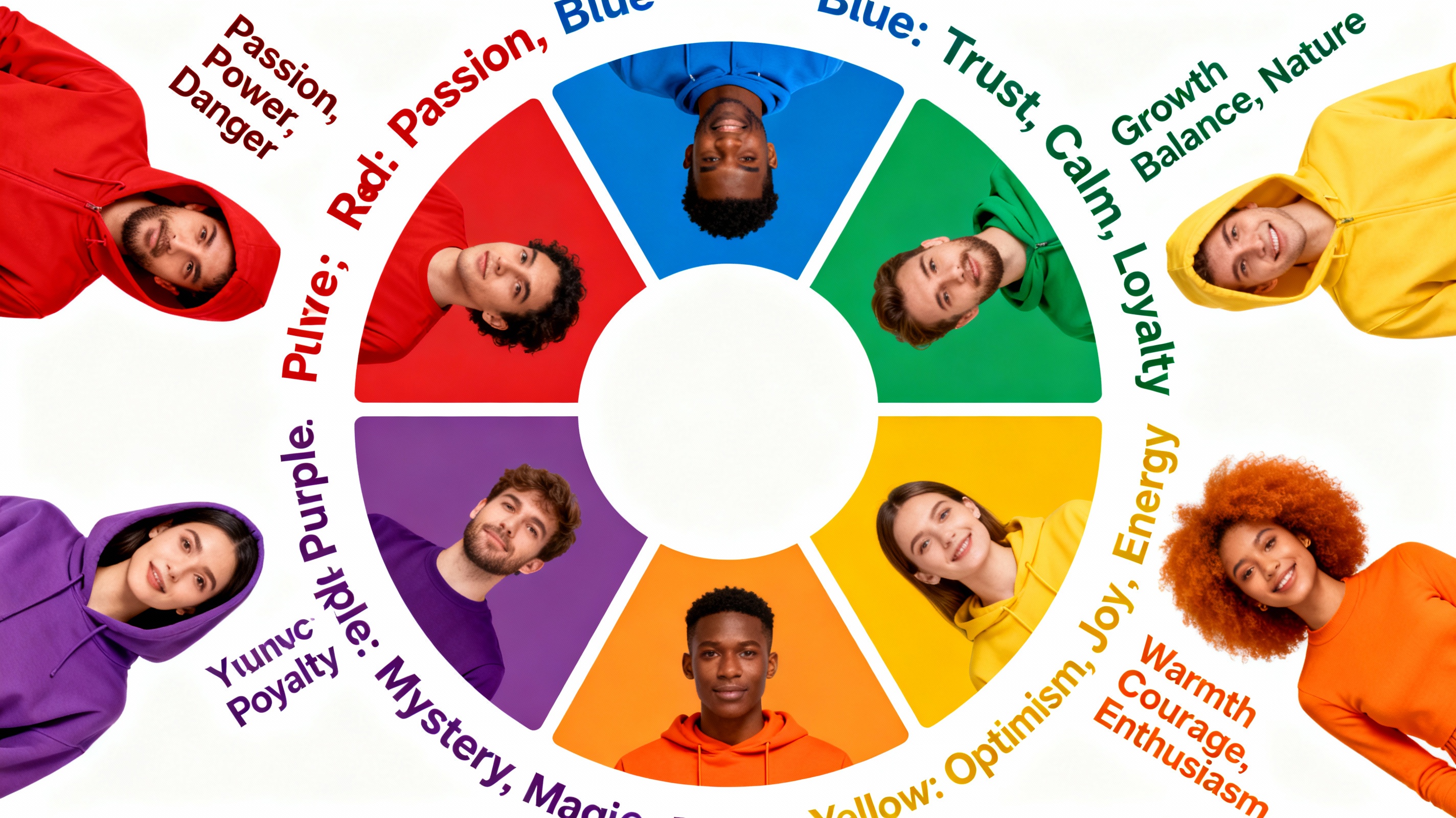
Core color associations:
Red – Passion, power, courage, danger, aggression. Warriors, heroes, rebels, and antagonists frequently wear red. Red immediately signals importance and demands attention. Use red when you want audiences to recognize a character's intensity or threat level.
Blue – Trust, wisdom, loyalty, calmness, sadness. Leaders, mentors, heroes, and wise characters often feature blue. Blue feels safe and authoritative. It's popular in corporate and heroic designs because it conveys reliability and strength without aggression.
Green – Growth, balance, nature, envy, jealousy, sickness. Characters connected to nature, healing, or environmental themes feature green. Green can suggest growth and renewal or, in darker shades, poison and illness. It's often used for characters occupying middle moral ground.
Yellow – Optimism, joy, energy, cowardice, caution. Energetic, youthful, or comedic characters frequently wear yellow. Yellow attracts attention and suggests cheerfulness. However, overuse can feel juvenile or cheap. Yellow works best as an accent rather than dominant color.
Purple – Mystery, magic, royalty, luxury, spirituality. Fantasy and magical characters often wear purple. It suggests sophistication and otherworldliness. Purple is less commonly used than other colors, making it distinctive for characters you want to feel unique or special.
Black – Power, mystery, evil, elegance, formality. Antagonists, mysterious characters, and formal characters wear black. Black creates stark contrast and instant visual impact. However, overuse makes designs feel flat or one-dimensional.
The 60-30-10 Color Rule:
Professional character designers often follow the 60-30-10 color distribution rule:
-
60% – Primary/Dominant Color – The main color covering most of the character
-
30% – Secondary/Support Color – A complementary color that adds depth and prevents monotony
-
10% – Accent Color – A highlight color that draws attention to important areas (eyes, jewelry, special equipment)
This ratio creates balanced, visually harmonious designs that read clearly but aren't monotonous. For example, a character wearing a 60% blue costume, 30% grey accessories, and 10% yellow highlights would be harmonious and readable.
The Character Design Process: Step-by-Step Workflow
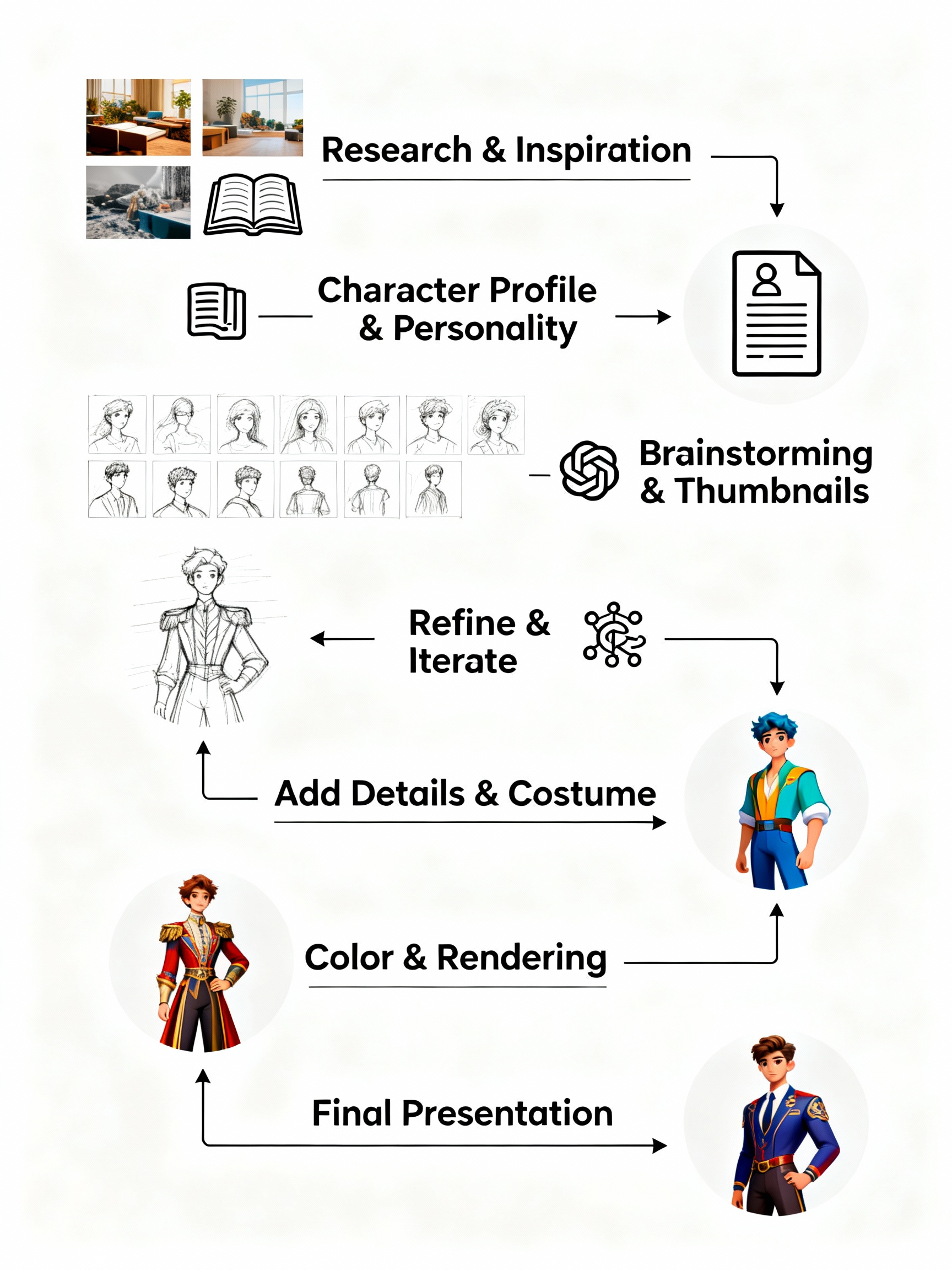
Step 1: Research and Gather Inspiration
Every strong character emerges from thorough research and inspiration gathering. Before sketching, invest time understanding the world, genre, culture, and story surrounding your character.
Research categories:
Story and Setting Research
-
Read or review the source material thoroughly
-
Understand the genre (fantasy, sci-fi, modern, historical)
-
Study the world's rules, technology level, and culture
-
Identify the character's role and function in the narrative
Visual Reference Gathering
-
Collect images of real people, fashion, and body types
-
Research historical periods if relevant
-
Study other character designs in similar genres
-
Create mood boards that capture the visual aesthetic
-
Gather reference for specific materials and textures
Character Background Research
-
Understand the character's age, gender, and cultural background
-
Research historical/cultural accuracy if needed
-
Study fashion and clothing appropriate to their time period and social status
-
Explore climate and geography of where they live
-
Identify their profession, skills, and lifestyle
Psychological and Personality Research
-
Develop understanding of character psychology
-
Explore archetypes and character roles
-
Study how personality influences visual presentation
-
Research universal symbols relevant to the character
-
Understand the character's motivations and conflicts
This research phase prevents random design choices and ensures your character feels authentic and purposeful within their story world.
Step 2: Develop a Character Profile
Before sketching, document who your character is through a comprehensive profile. This written foundation guides all design decisions and ensures consistency.
Essential character profile elements:
Basic Information
-
Name and age
-
Gender identity and pronouns
-
Cultural background and heritage
-
Social status and occupation
-
Physical capabilities and disabilities
Personality and Traits
-
Core personality traits (brave, cunning, shy, rebellious)
-
Emotional tendencies (optimistic, pessimistic, moody)
-
Communication style (direct, sarcastic, formal, casual)
-
Strengths and weaknesses
-
Special talents or skills
Backstory and Motivation
-
Key life events that shaped them
-
Current goals and aspirations
-
Fears and obstacles they face
-
Relationships with other characters
-
Moral compass and values
Physical Details
-
Height and body type
-
Distinguishing features or scars
-
Movement style and posture
-
Typical expression or resting face
-
How they dress and groom
Role in Story
-
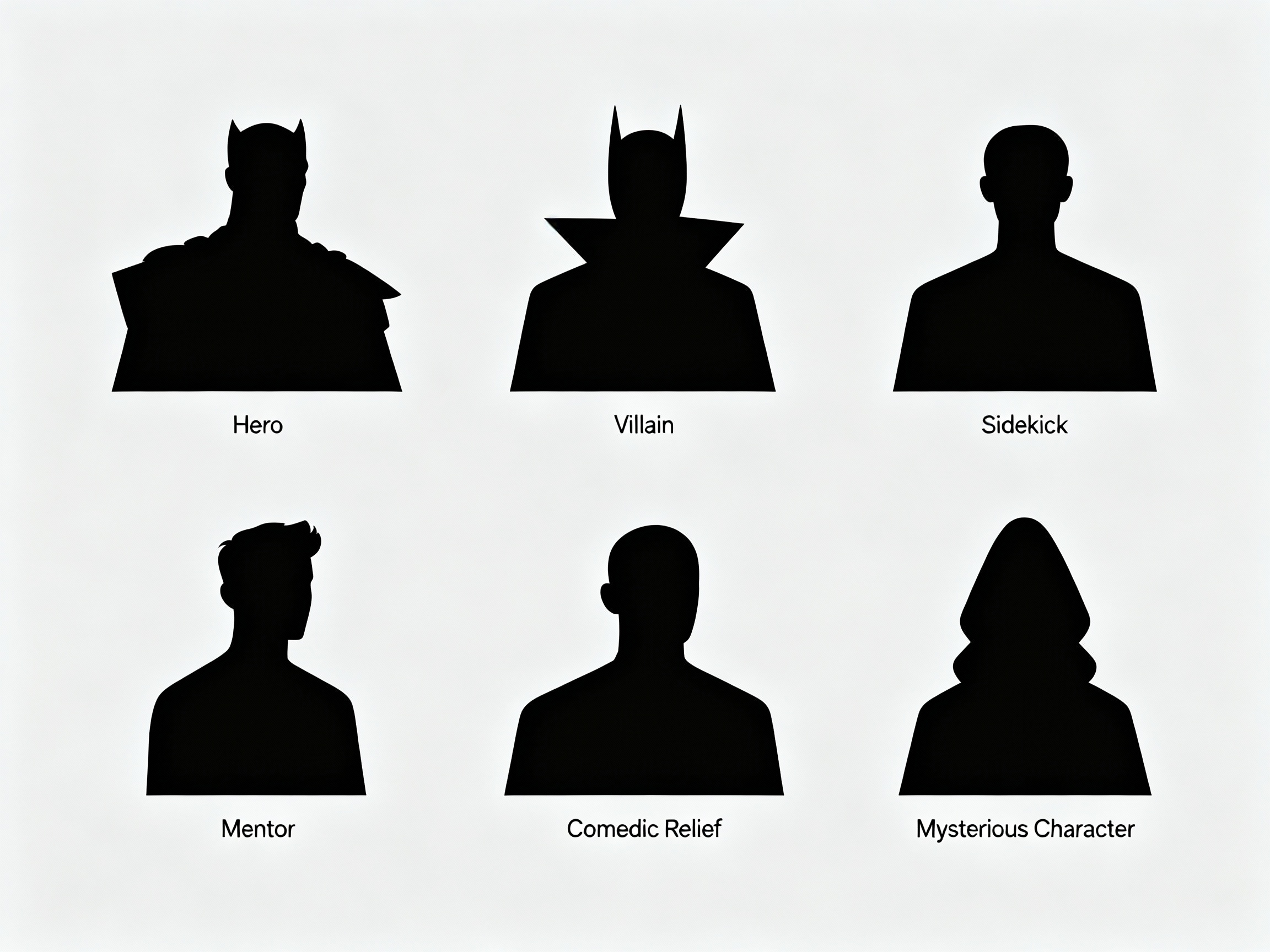
Function in narrative (hero, villain, mentor, sidekick)
-
Character arc and growth
-
Thematic connection to story
-
Audience expectations for the role
This profile ensures your design choices feel motivated rather than arbitrary. Every element—from costume color to body proportions—should connect back to information in this profile.
Step 3: Brainstorm and Generate Thumbnail Sketches
With research complete and profile documented, begin generating rough thumbnail sketches. Thumbnails are small, loose sketches where you experiment freely without concern for detail or perfection.
Effective thumbnail sketching:
Quantity Over Quality – Generate 20-50 thumbnails rather than a few polished sketches. Quantity breeds variety and helps you discover unexpected solutions. The best idea often emerges after exploring many directions.
Work Fast and Loose – Thumbnails should be quick, gestural, and exploratory. Spend 2-5 minutes per thumbnail. Speed forces you to focus on essential shapes and silhouettes rather than details.
Explore Variations – Sketch different body types, proportions, silhouettes, costume styles, and poses. Try extreme versions of your character alongside subtle interpretations. Test shape language by deliberately emphasizing circles in some sketches and triangles in others.
Focus on Silhouette – Make several thumbnails black silhouettes. This forces you to think about distinctive form and ensures readability even when details are invisible.
Test Multiple Directions – Include variations that push beyond your first instinct. Design multiple costume options, hairstyles, and postures. Include options that feel different in tone and style.
After generating 20+ thumbnails, review and identify 3-5 that best capture your character's essence and role. These become your candidates for refinement.
Step 4: Refine Your Selected Designs
With 3-5 promising thumbnails identified, develop them further. This stage focuses on refining proportions, adding definition, and ensuring designs communicate clearly.
Refinement focuses:
Proportions – Are the head-to-body ratio, limb lengths, and feature sizes working? Make adjustments to improve visual balance and silhouette clarity. Test how the character reads from different distances.
Facial Features – Develop eyes, nose, mouth, and expression with more detail. Ensure the face conveys personality and emotion. Test how the character's expression changes (neutral, happy, angry, sad).
Costume and Clothing – Design outfit details more specifically. Consider practicality, style, and how clothing supports character function and personality. Ensure costume pieces work together as a cohesive look.
Accessories and Equipment – Develop items the character carries: weapons, tools, jewelry, bags. These items can reinforce personality and function. Ensure accessories don't clutter the design.
Details and Uniqueness – Add distinguishing details that make the character memorable and unique. This might include scars, tattoos, jewelry, or unusual hairstyles. Focus on meaningful details that serve the character rather than arbitrary ornamentation.
Gather feedback during refinement. Show your refined sketches to colleagues or mentors and ask whether the character's role, personality, and story function come through visually.
Step 5: Finalize Sketch and Add Detail
Once you've selected your strongest direction through feedback and refinement, develop the finalized sketch with complete detail and clarity. This becomes your blueprint for all subsequent work.
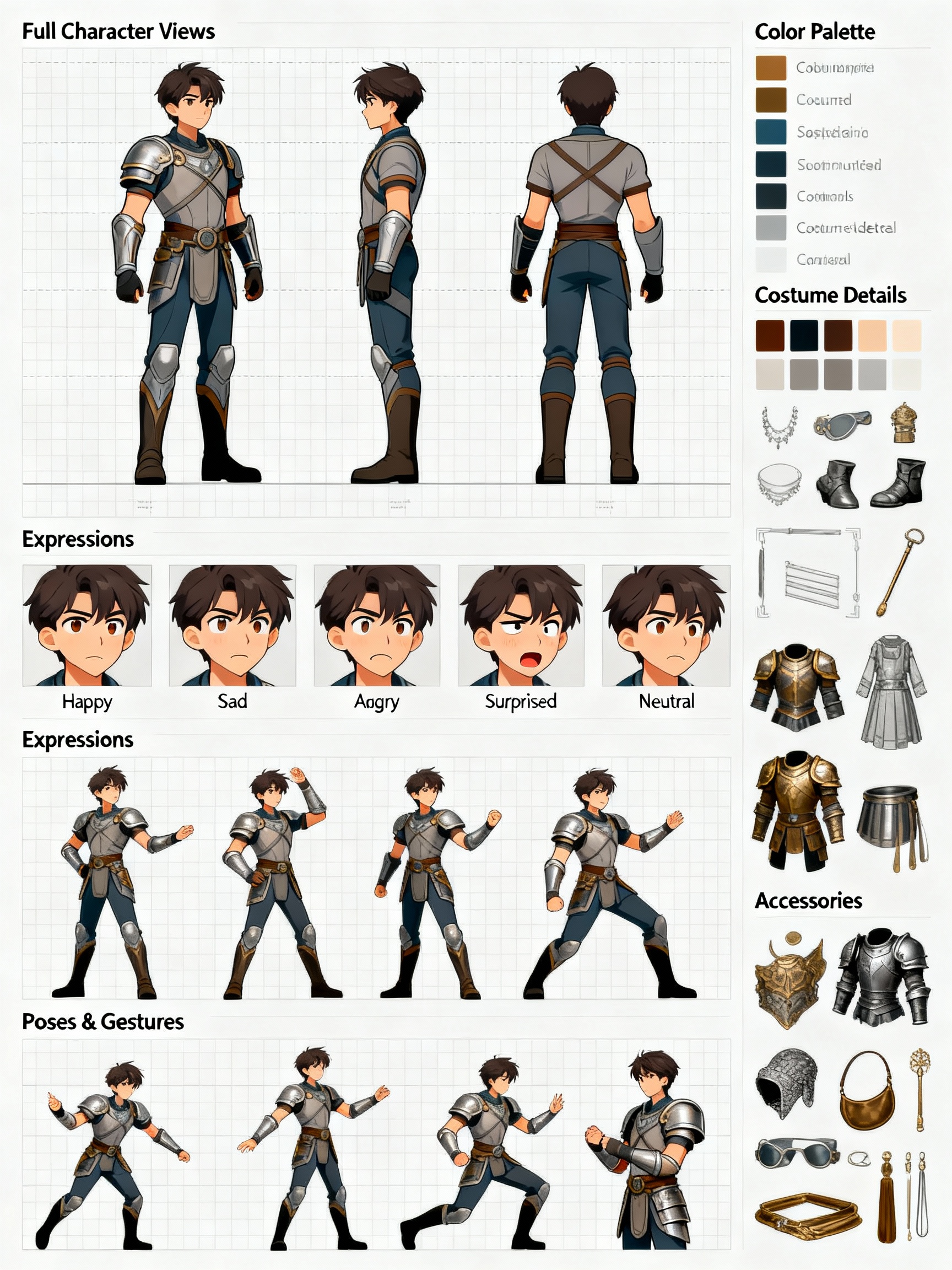
Finalization includes:
-
Drawing character from multiple angles (front, side, back, three-quarter view)
-
Creating consistent anatomy across all angles
-
Adding all costume and accessory details clearly
-
Establishing proportion locks and measurement guidelines
-
Drawing multiple expressions and poses
-
Creating clear, readable linework ready for inking or coloring
With finalized sketch complete, render the design with color, value, and finishing details. This stage brings the character fully to life.
Rendering process:
Establish Base Colors – Block in the primary colors following your character profile and color psychology principles. Use the 60-30-10 rule to create harmonious color relationships.
Add Shading and Value – Develop lighting and form using shadows and highlights. This creates dimensional form and visual interest. Consider how light sources interact with your character's materials (leather appears different than cloth; metal differently than skin).
Develop Texture – Add texture details suggesting fabric, metal, skin, hair. Use brush techniques and patterns to communicate different materials without overwhelming the design.
Refine Details – Add finishing details, highlights, and accent colors. Ensure important features (eyes, face) receive appropriate emphasis through detail and value.
Quality Check – Step back and assess whether the design reads clearly, maintains visual hierarchy, and effectively communicates the character's personality and role.
Advanced Character Design Concepts
Costume Design as Character Storytelling
Costume design functions:
Character Identity – Costume immediately communicates profession, role, and status. A general's uniform conveys authority; ragged clothes suggest hardship; formal wear signals sophistication.
Personality Expression – Costume choices reveal personality before dialogue. Meticulously tailored clothing suggests precision and control; oversized loose clothing suggests relaxation and comfort; eclectic combinations suggest creativity and individuality.
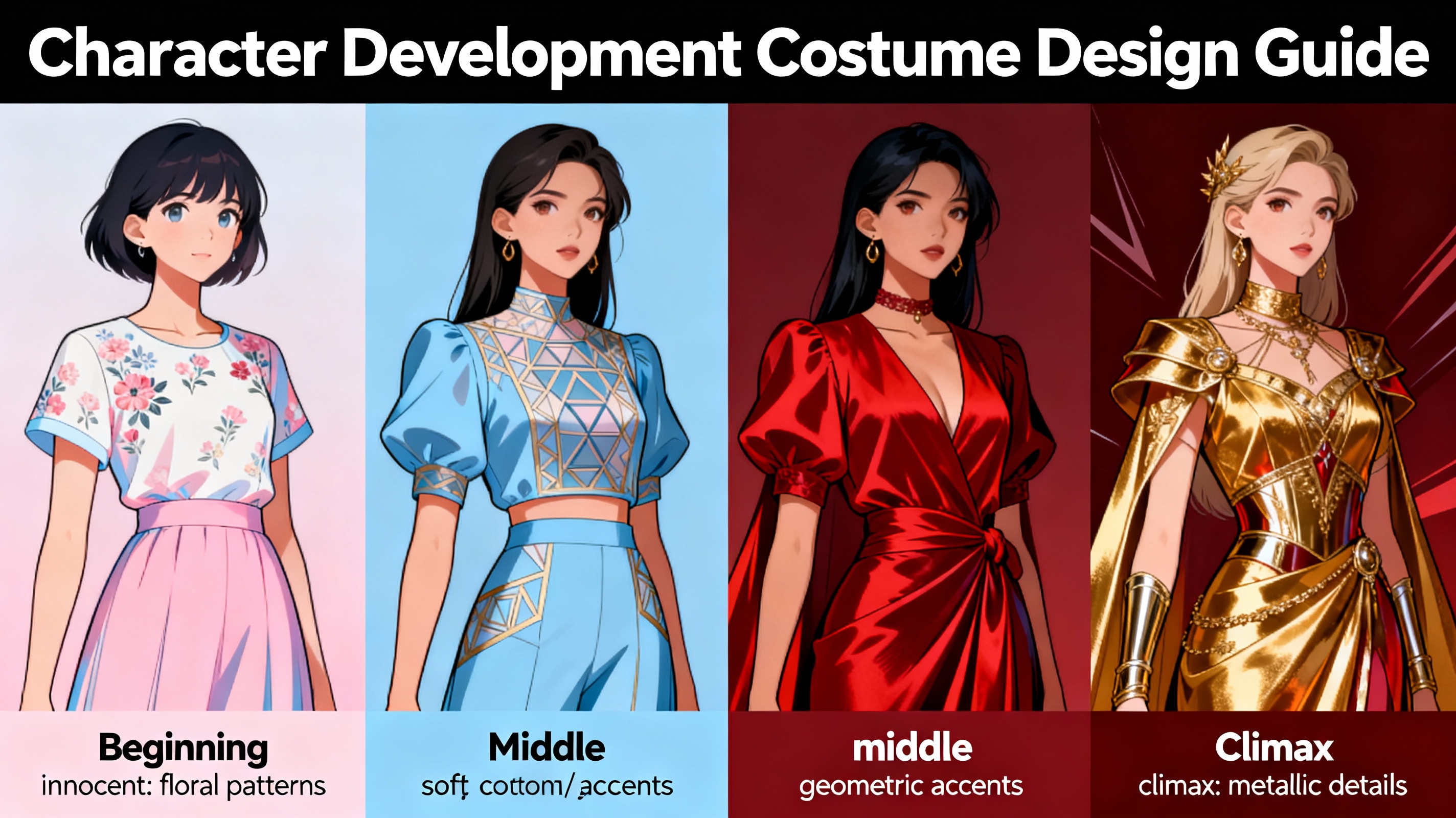
Character Development – Costume can evolve through the story to reflect character growth. A humble beginning outfit can gradually transform into armor and robes as a character rises to power. This visual evolution supports narrative development.
Cultural and Historical Context – Costume grounds characters in their world and time period. Accurate historical clothing builds believability; fantastical costume elements establish genre and tone.
Visual Hierarchy and Focus – Costume directs viewer attention. Bright colors, unusual shapes, and distinctive patterns draw attention to important characters. Supporting characters often wear simpler, less distinctive costumes.
Practical Functionality – Costume should enable the character's actions. A warrior needs mobility and protection; a scholar needs pockets and practicality; a dancer needs freedom of movement.
Designing for Multiple Media
Modern character design often requires characters to work across multiple formats: animation, games, comics, merchandise, and social media. This demands flexibility and functional thinking.
Design considerations for different media:
Animation – Characters must move fluidly and read clearly from multiple angles and distances. Avoid designs with excessive small details that disappear during movement. Test how costume pieces move and interact with the character's body.
Games – Characters need clear silhouettes for instant recognition during gameplay. Designs must work from multiple angles and distances. Consider how the character reads on various screen sizes from mobile to television. Test visibility in varying lighting conditions typical to game environments.
Comics and Illustration – Characters can have more fine detail and work predominantly from front-facing angles. However, maintaining consistency across multiple expressions and poses remains critical.
Merchandise and Icons – Designs must simplify effectively when reduced to small sizes. Strong silhouette and distinctive visual elements become crucial. Test how your design looks as a small icon, T-shirt graphic, or figurine.
Character Design Trends Shaping 2025
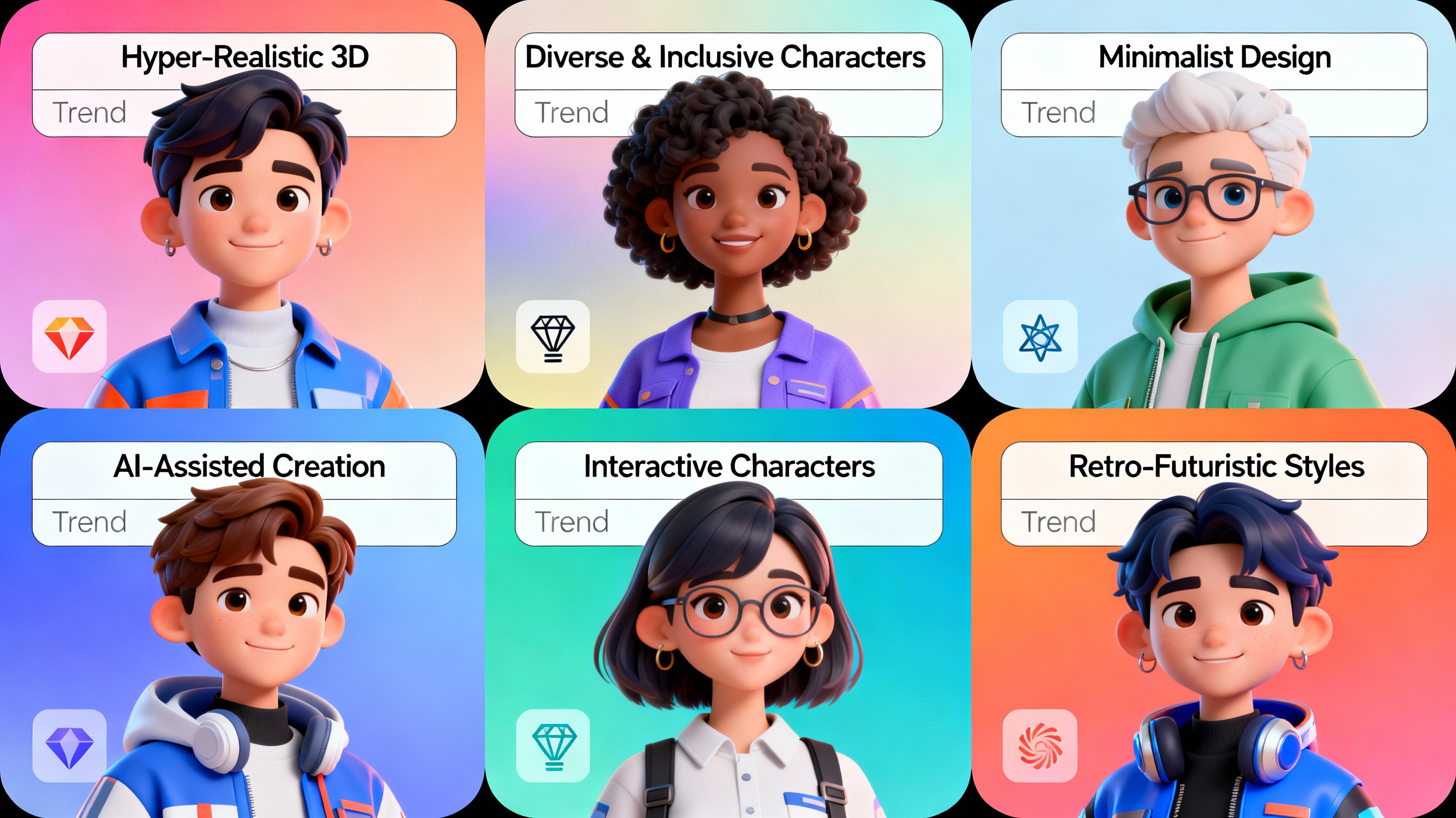
Hyper-Realistic 3D Characters
Advances in rendering technology have created characters that approach photorealism. Unreal Engine 5's MetaHuman Creator and NVIDIA's RTX technology enable microscopically detailed skin, muscle simulation, and subtle micro-expressions that feel lifelike.
Application: Games like Hellblade II and films like Disney's Strange World showcase this technology. As rendering becomes more powerful, audiences increasingly expect visual fidelity in triple-A productions.
Diverse and Inclusive Character Design
Modern audiences expect characters reflecting global diversity in race, culture, gender identity, body type, and ability. This isn't just ethical—it's also practical. Diverse, well-developed characters resonate with broader audiences and create richer storytelling opportunities.
Application: Collaborative development with cultural consultants from the beginning of the design process ensures authentic representation. Allowing customizable character creation in games improves player connection and replayability.
Minimalist Character Design
Minimalist aesthetic—using simple geometric shapes, limited color palettes, and clean linework—thrives in mobile-first content and social media. This approach proves effective for rapid recognition and scalability.
Application: Characters designed for TikTok, Instagram Reels, and mobile games often employ minimalism. The constraint of simplicity forces designers to distill character essence into its most recognizable elements.
AI-Assisted Character Creation
Artificial intelligence tools now assist with concept generation, color palette suggestions, and even expression variations. While AI can't replace artistic vision, it accelerates ideation and exploration phases.
Application: Tools like AI image generators and design assist programs help explore variations rapidly. The most effective approach combines AI efficiency with human artistic judgment and iteration.
Interactive and Adaptive Characters
Over-Complicating Design – Too many colors, patterns, and details create visual chaos. Strong designs often feature simplicity with strategic detail. Less is usually more.
Ignoring Silhouette – Designs that look great up close often fail when viewed from distance or in rapid motion. Always test your silhouette in black and white.
Inconsistent Anatomy – When a character doesn't work from multiple angles, animators and developers struggle. Draw your character from front, side, back, and three-quarter views to ensure consistency.
Borrowing Too Heavily from References – Research and reference are essential, but directly copying existing designs prevents original work. Use references as inspiration, then create your unique interpretation.
Ignoring Character Function – Design choices should serve the character's role and story. A magical character needs design elements suggesting magic; a warrior needs visual cues about combat ability. Decorative elements should be minimal.
Neglecting Target Audience – A children's character should feel different from an adult-oriented antagonist. Design choices should align with the project's tone and audience expectations.
Not Testing and Iterating – Professional character design involves repeated feedback and refinement. Expecting your first sketch to be final limits your designs. Embrace iteration.
Quick Takeaways
-
Character design is visual storytelling – every design choice communicates something about the character's personality, role, and story function.
-
Silhouette is fundamental – test characters in solid black to ensure instant recognition and distinctive form.
-
Shape language powerfully communicates personality – circles suggest friendliness, squares suggest stability, triangles suggest danger and dynamics.
-
Color psychology is essential – color choices instantly communicate emotion and role through cultural and psychological associations.
-
Research thoroughly before designing – understand setting, culture, story, and character psychology to inform meaningful design choices.
-
Develop character profiles – document personality, backstory, motivations, and physical details to guide consistent design decisions.
-
Thumbnail sketching generates variety – create 20-50 quick, loose sketches to explore numerous directions before refining.
-
Refine and iterate based on feedback – design improves through rounds of refinement and constructive feedback from colleagues and mentors.
-
Costume tells character story – what a character wears communicates identity, personality, status, and growth more powerfully than many words.
-
Design for your medium – consider whether your character needs to work in animation, games, comics, or across multiple platforms.
-
Embrace 2025 trends – understand hyper-realism, inclusive design, minimalism, AI assistance, and interactive adaptation shaping modern character development.
-
Simplicity is strength – avoid over-complicating designs; strategic simplicity often communicates more effectively than excessive detail.
Conclusion
Character design is a sophisticated blend of art, psychology, functionality, and storytelling. The most memorable characters aren't created randomly or through pure technical skill—they emerge from deliberate creative processes informed by research, refined through iteration, and guided by understanding principles like shape language, color psychology, and silhouette clarity.
Whether you're designing your first character or have completed hundreds, return consistently to fundamentals: understand your character's role and personality, develop a comprehensive profile, research your story's world thoroughly, explore multiple directions through thumbnails, test silhouettes ruthlessly, and refine based on feedback. These principles remain constant regardless of the medium, genre, or artistic style you pursue.
Character design uniquely rewards both disciplined process and creative intuition. Follow the structured workflows outlined in this guide to provide a foundation, but remain open to creative discoveries that emerge through sketching and experimentation. The moments when an unexpected shape or color choice suddenly makes a character come alive often emerge during the iterative process rather than through planning alone.
Start with a character concept that genuinely excites you. Invest time researching their world and psychology. Create numerous thumbnail variations. Test silhouettes. Gather feedback. Refine based on what you learn. Render with intention and color psychology awareness. The time invested in thorough process pays dividends in character quality and memorability.
Professional animators, game studios, and filmmakers employ the techniques outlined in this guide because they work. Your characters improve by following these principles while remaining open to your unique artistic voice and style.
Begin your next character design project today by choosing a character you're passionate about, writing a comprehensive character profile, gathering inspiration images, and creating your first set of exploratory thumbnails. This foundation ensures that everything following—from refined sketches to final rendered art—emerges from genuine creative understanding rather than guesswork. Your strongest characters await discovery through this intentional, systematic approach.
Frequently Asked Questions About Character Design
Q1: How long does character design typically take?
A: Timeline varies dramatically by complexity and project scope. A simple character concept might take 2-4 weeks from initial idea through final render. Complex characters with multiple outfit variations and animation-ready assets can take 8-12 weeks or longer. Professional studios allocate significant time because thorough character development prevents expensive revisions later. Quality character design is never rushed.
Q2: What software is best for character design?
A: Many options work depending on your workflow. Digital painting: Photoshop, Clip Studio Paint, Procreate. Vector design: Adobe Illustrator, Affinity Designer. 3D modeling: ZBrush, Maya, Blender. Concept art: any digital painting software. Most professional artists use combination of tools. Your artistic vision matters more than specific software—master whatever tool you choose.
Q3: Should I focus on 2D or 3D character design?
A: Both have value depending on your goals. 2D design offers freedom and speed, suits illustration and animation. 3D design is essential for games and VFX, provides accuracy and multiple-angle flexibility. Many professionals learn both; skills transfer between mediums. Start with 2D to develop core design principles, then expand to 3D if your career direction requires it.
Q4: How do I get better at character design?
A: Study anatomy and human figure drawing constantly. Analyze character designs you admire—why do they work? What shapes, colors, silhouettes make them memorable? Create as many characters as possible; quantity drives improvement more than quality at early stages. Gather feedback from more experienced designers. Study color theory and design principles. Consume visual media critically, noticing design choices.
Q5: How important is anatomical accuracy in character design?
A: Understanding anatomy is foundational, even if you stylize it. Anatomically sound foundations allow confident stylization; without that foundation, designs often look awkward or broken. Study real anatomy, then deliberately deform or exaggerate for style. The difference between awkward and intentional stylization lies in understanding what you're breaking from.
Q6: What's the difference between character design and character illustration?
A: Character design creates a character system (multiple views, expressions, poses, variations) suitable for production. Character illustration creates a single, finished artwork of a character. Character design is functional and systematic; character illustration is artistic and singular. Professional design includes all views and functional variations; illustration is purely artistic.
Share Your Character Design Work
What character design challenges are you currently working on? We'd love to hear about your projects and the principles that have most helped your development process. Share your experience in the comments to help other character designers grow.
If this guide improved your understanding of character design principles and processes, share it with artists, animators, and game developers you know who are developing their design skills. And follow us for updated character design tutorials, technique breakdowns, and industry trend analyses as the field continues evolving.
Pixune. (2025). How to Master the Complete Character Design Process. Retrieved from https://pixune.com/blog/character-design-process/
VANAS. (2024). Character Design Principles. Retrieved from https://www.vanas.ca/en/blog/character-design-principles
LinkedIn. (2025). Character Design Trends in 2025: What Every Animator Should Know. Retrieved from https://www.linkedin.com/pulse/character-design-trends-2025-what-every-animator-glxlc
Vancouver Film School. (2025). How to Develop Character Design Skills for Animation and Game Development. Retrieved from https://vfs.edu/news/2025/06/24/character-design-animation-game-development-vfs
Proko. (2024). Character Design Secrets Everyone Should Know. Retrieved from https://www.youtube.com/watch?v=zUATd5Lbo-w
Character Bazaar. (2024). Top 10 Animation Trends of 2025. Retrieved from https://www.characterbazaar.com/blogs/top-10-animation-trends-of-2025
99designs. (2021). How to Design a Character: The Ultimate Guide to Character Design. Retrieved from https://99designs.com/blog/art-illustration/character-design/
BuzzFlick. (2025). Color In Character Design: 2025 Guide for Memorable Palettes. Retrieved from https://buzzflick.com/color-palette-theory-for-character-design/